
Education& Resources helping homeowners and builders make informed choices about Building homes that last
Our ultimate goal is to create a community of builders and homeowners who are dedicated to improving the quality of life in their neighborhoods and communities.
Education& Resources helping homeowners and builders make informed choices about Building homes that last
Our ultimate goal is to create a community of builders and homeowners who are dedicated to improving the quality of life in their neighborhoods and communities.
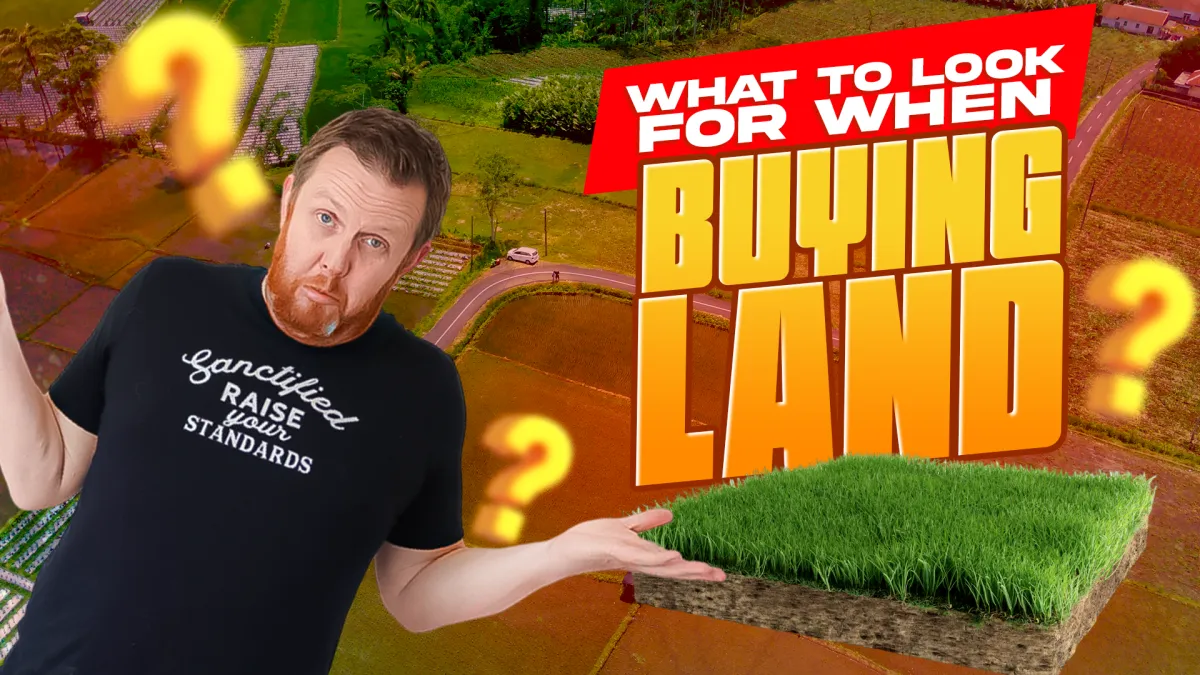
Building On A Rural Lot - What You Need To Know
Hey what's up everybody, it's TJ with Sanctified Homes and Construction. Today, we're diving into the essentials of building on a rural lot. Whether you’re eyeing a serene lakeside property, a sprawling field, or a secluded wooded area, there are unique challenges and considerations you need to be aware of. Here’s a comprehensive guide to help you navigate the process.
Budgeting for Land and Construction
Land Cost
When purchasing rural land, aim to spend no more than 25% of your total budget on the land itself. This allows sufficient funds for construction and additional expenses. However, the percentage can vary depending on your specific circumstances. For example, some buyers may spend up to 50% of their budget on land, especially if it offers exceptional features or location benefits.
Additional Costs
Be prepared for extra costs related to site preparation. These can include clearing trees, grading the land, and installing long driveways. The more remote or undeveloped the land, the higher these costs can be.
Dealing with Shoreland Zoning
Extra Permits and Fees
If your property is near a body of water, such as a lake or pond, you will need to comply with shoreland zoning regulations. This involves obtaining additional permits and creating erosion control plans to protect the water body. These requirements can add to your project's timeline and budget.
Site Preparation and Infrastructure
Clearing Trees and Landscaping
If your land is heavily wooded and you plan to build in a specific area, you’ll need to factor in the cost of clearing trees. Additionally, think about the landscape design and how you’ll manage tree removal to maintain the natural beauty of the property.
Driveways and Access Roads
Building a driveway on a rural property can be a significant expense, especially if your desired building site is far from the main road. The cost will depend on the length and type of driveway required. Remember to consider accessibility for construction equipment and future household needs.
Water and Waste Management
Well and Septic Systems
Unlike urban lots with access to city water and sewer systems, rural properties typically require well and septic systems. Installing these systems involves specific site evaluations, permits, and adherence to local health and environmental regulations. Ensure your budget includes these essential infrastructure costs.
Environmental Considerations
Erosion Control and Water Management
For properties near water bodies, it’s crucial to implement erosion control measures to prevent runoff from impacting the water quality. This might involve creating buffer zones, using erosion control fabrics, and planting vegetation to stabilize the soil.
Flood Zones and Wetlands
Check if your property is in a flood zone or contains wetlands. Building in these areas may require additional permits and compliance with strict regulations to minimize environmental impact.
Tips for a Smooth Building Process
Work with Experienced Professionals
Engage with builders and contractors experienced in rural construction. They can provide valuable insights and help navigate the complexities of rural building projects. Consider scheduling site visits with your builder early in the planning process to identify potential challenges and opportunities.
Plan for Contingencies
Rural builds often come with unexpected challenges, such as difficult soil conditions or unanticipated regulatory requirements. Having a contingency budget can help manage these surprises without derailing your project.
Engage Local Authorities Early
Communicate with local zoning and building departments early in the process to understand all requirements and timelines. Building a relationship with local inspectors and officials can facilitate smoother approvals and inspections.
Conclusion
Building on a rural lot offers the opportunity to create a custom home in a tranquil setting, but it comes with unique challenges and considerations. From budgeting and site preparation to dealing with shoreland zoning and installing essential infrastructure, planning is key to a successful rural build.
For more detailed information and guidance, check out our resources at Sanctified Homes. If you have any questions or need further assistance, don’t hesitate to reach out. We're here to help you navigate the home building process smoothly and efficiently.
And as always, don’t forget to raise your standard! We'll talk to you soon.


Home Building Checklist
We understand that the process of building comes with a lot of decision-making. So we created the Home Building Checklist to guide your decision-making process, and it's yours for free here!
WHAT WOULD YOU LIKE TO LEARN?
How can we help?



Why You Will Love Working With Us

Transparency
Honesty is always the best policy, and this is the policy we swear by. We aim to be as transparent as possible with our clients when building their homes.
- We have no hidden fees or surprises.
- We disclose every invoice and bid because we have nothing to hide.
- We are upfront about all costs, including the price or materials and labor costs, so you can trust every dollar of the process.

Experience
Our team has over 25 years of experience in construction and design, so we know how to make your dream home a reality.
- Over 200 homes build with our combined expertise!
- 25 years experience in
Parade of Homes - Builder Of the Year with Madison Area Builders Association
Ultimately, we believe in raising standards
We believe that by helping to create a community of builders and homeowners who are dedicated to improving the quality of life in their neighborhoods and communities, we can help to create a more equitable and inclusive society.
We want to empower homeowners to become involved in the process of creating their own safe and beautiful living environments.
We also want to give builders the opportunity to make a lasting and positive impact on the community by providing quality homes and neighborhoods. By working together, we can help create a better future for everyone involved.
The Blessed to Build Foundation is a 501(c)3 Non Profit providing education & resources to help homeowners and home builders make informed choices about building homes that last.
Dane County, Wisconsin
Hire a Builder
If you are looking to build a new home in the following cities, connect with Sanctified Homes & Construction to start the conversation.

PRIVACY POLICY | TERMS OF USE
Copyright Blessed to Build Foundation, Inc. 501(c)3